
What does Maths Lab In Schools mean?
A Maths Lab in School is a unique classroom in which students learn mathematics through engaging in fun and challenging activities. Instead of only solving questions from textbooks, students utilise tools like models, puzzles, and games to learn maths concepts straightforwardly.
In a maths laboratory, students can feel, touch, and participate in various ways to explore topics such as numbers, shapes, measurements, and patterns. This helps make learning more enjoyable and assists students in understanding maths better.
Why Maths Lab in School is important?
A Maths Lab in School is important since it helps students learn maths in a fun and effective way. Instead of reading only from textbooks, students can utilise models, puzzles, and exercises to grasp concepts more effectively. This makes maths simpler to master and more engaging for the students.
The maths lab can also enhance problem-solving skills and help students remember concepts for longer periods of time. It boosts confidence and helps students to be enthusiastic about taking maths classes.
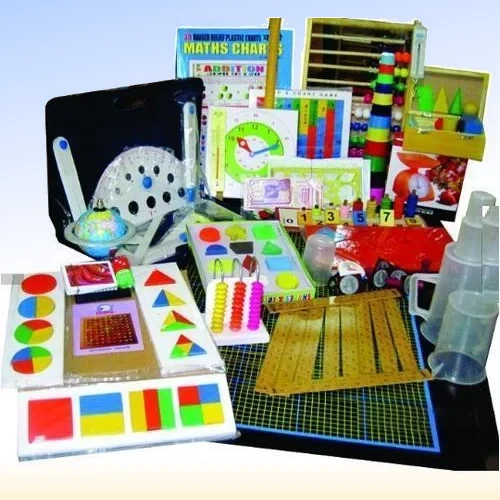
Benefits of Maths Lab for schools
1. Better Understanding of Concepts 1. Improved Understanding of Concepts Maths Lab for schools assists students in understanding maths concepts through games that include models, experiments, and other activities instead of relying on textbooks.
2. It makes learning enjoyable and engaging.
Learners can master maths through games, puzzles and tasks that make the subject more engaging and enjoyable.
3. Develops problem-solving skills
It helps students think, investigate and resolve problems on their own, which helps them develop their ability to think logically.
4. Develops confidence in mathematics
Students who engage in activities that teach them learn more about the subject and are more confident when working on maths problems.
5. Enhances Confidence in Students If students can comprehend concepts well, they feel more comfortable when solving maths problems.
6. Promotes Practical Learning
Encourages practical learning: Maths Lab for schools lets students learn mathematics by engaging in real-world tasks and exercises.
What Students Learn and Practice in a Maths Lab
| Activity | What Students Learn |
| Shapes and Geometry | Students are taught about shapes, angles, and patterns with the help of the models as well as tools. |
| Numbers and Counting | Students are taught counting, adding, subtraction, multiplication, and division by engaging in fun activities. |
| Measurement | Students learn to calculate length, weight, time, and volume with the help of practical tools. |
| Problem Solving | Students are required to solve puzzles and logic questions to develop their thinking abilities. |
| Patterns and Graphs | Students learn patterns and ways to understand and write simple graphs. |
| Build confidence | A cybersecurity course in Delhi assists children in becoming smart and confident users of the internet. |
| Future Career Skills | It helps students learn crucial computing skills that will prepare them for their future. |
Equipment in Our Maths Lab

Conic Sections

Cylinder (8 Parts)

Mathematicians Posters
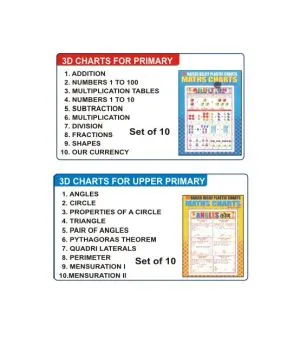
Charts For Junior Classes

Geometry Crystal Set (wooden)

Fractions Of Circle

Fractions Of Square
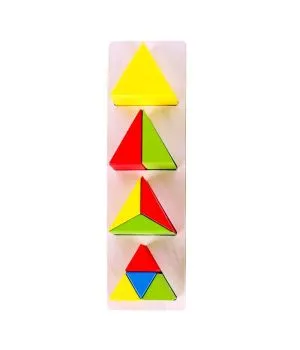
Fractions Of Triangle

Graph Roll Up Chart
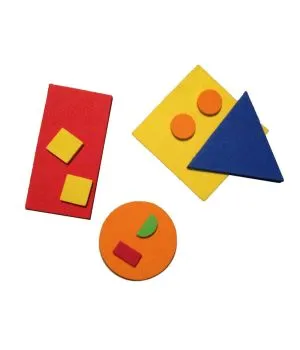
Seriation Kit (set of 500 in 5 colours)
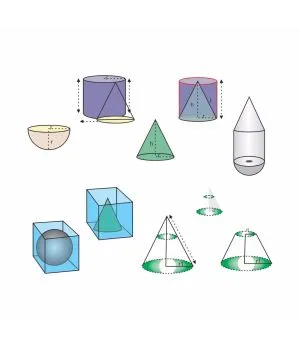
Volume Relationship Set

Factorization Tiles

Construction Of Parabola

Phases Fraction (48 Pieces)

Skip Counting Game

Octant 3d

Construct A Clock (wooden)

Meter Scale (wooden)
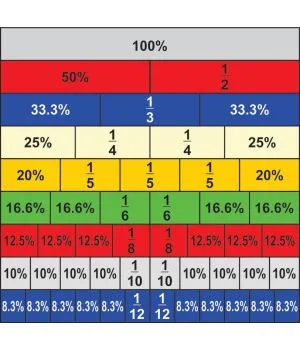
Fraction Bar (acrylic)

Shapes Board (wooden)

Integer Number Line Bar

Geometrical Stencil
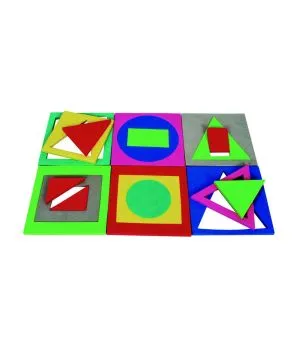
Sit & Set
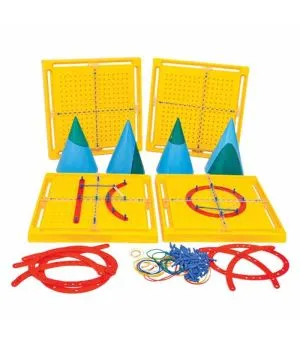
Conic Section with Standard Equation Kit
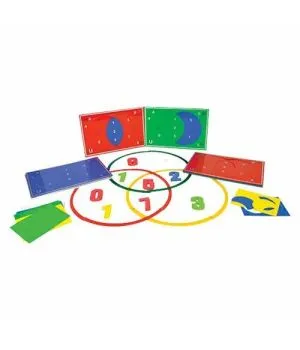
Set Theory By Venn Diagram Kit
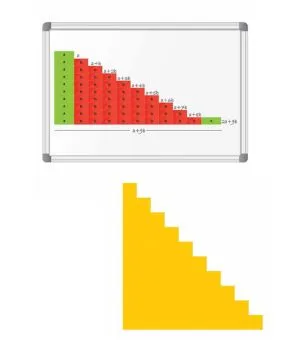
Arithmetic Progression Kit

Pascal Triangle Kit
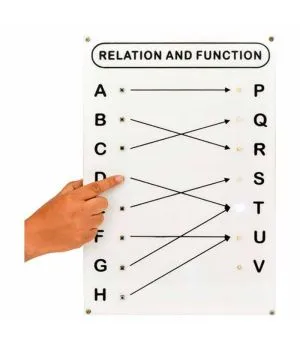
Relation and Function Kit

Geometrical Progression Kit
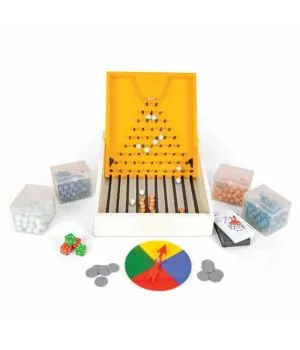
Probability Kit

Identities Set-2
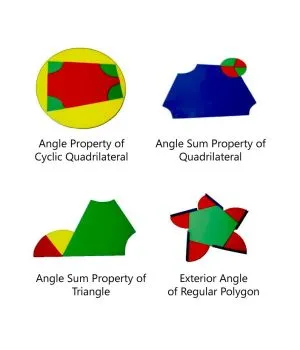
Identities Set-3
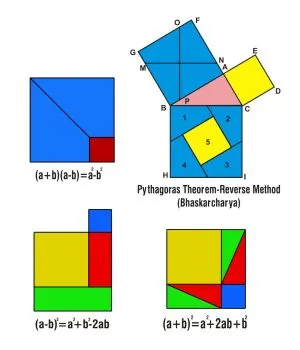
Identities Set-4

Geometrical Shapes (wooden)
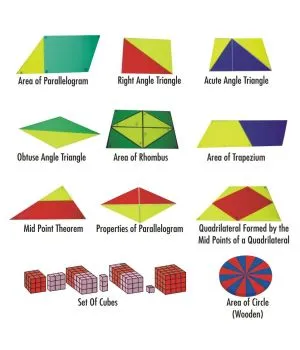
Mensuration Kit

Interlinking Cubes (set of 128)
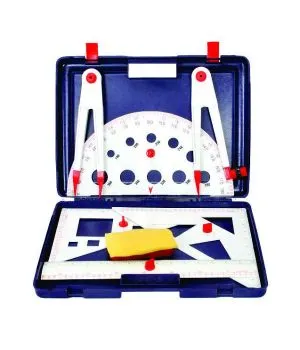
Geometry Box
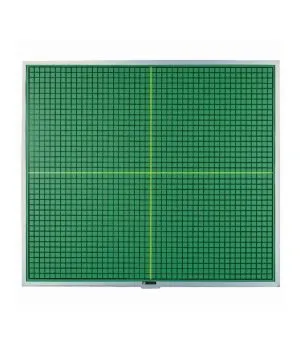
Magnetic Graph Co-ordinate Board

Pattern Blocks (rangometry)

Pythagorus Theorem Junior

Tangram Puzzle

Stereometry Kit
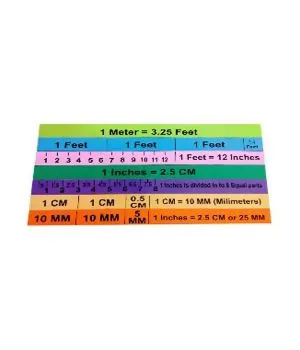
Magnifying Measures
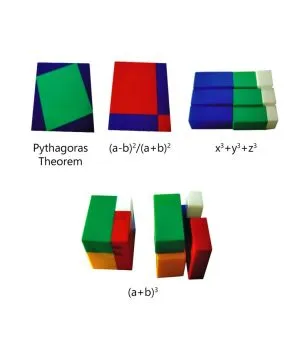
Identities Set-1

Rain Gauge

Spring Balance
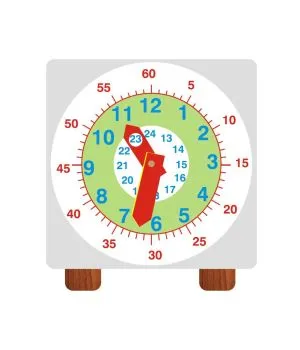
Fibre Dummy Clock
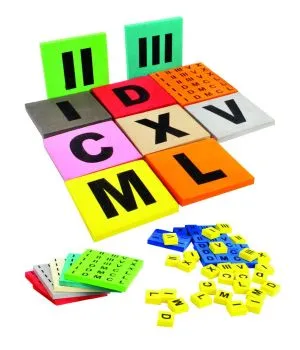
Roman Number Set

Measuring Beakers & Jugs (set Of Five)

Triangle Kit

Number Mat

Derivation of Value of Pie
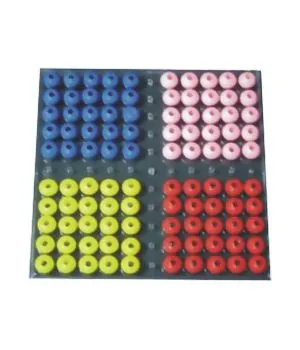
Power Of Two
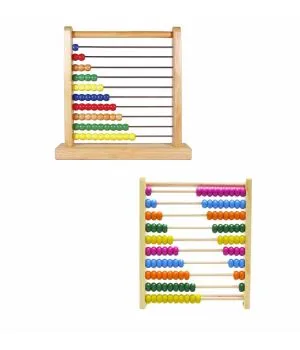
Counting Abacus

Teacher Abacus

Geo Board (circle)

Geo Board (square)
What Our Happy Schools Say
1 Anil Kumar, Principal of the School
“The Maths Lab has made an immense impact on our school classrooms. Students are now enjoying learning mathematics through games and modelling. It has helped them comprehend concepts more quickly. “
2. Priya Sharma, Mathematics teacher
“Our students used to be scared of maths, after the introduction of our Maths Lab, they have gained confidence. The learning process is based on practical exercises, which makes maths much easier for students.”
3 Rakesh Verma Director of the School
“The Maths Lab is a fantastic feature for our schools. It allows students to explore and study maths in a fun, interactive manner. We are extremely pleased with the outcomes. “
4 Neha Gupta, Academic Coordinator
“Students are more active in maths classes due to The Maths Lab. The method of learning that is hands-on assists them in understanding complex topics in a way that is easy to comprehend. “
5. Sandeep Mishra – Senior Teacher
*”The Maths Lab has revolutionised how we teach math at our school. Students are enthralled by solving math problems and interacting with models, which helps them improve their problem-solving abilities.”
Author: Himanshu, an Content writer
Frequently Asked Questions
1️⃣ Why is a Maths Lab important in schools?
A maths lab is important because it helps students to learn maths through games and experiments. Students can use and see models to comprehend concepts with ease. This makes maths much more engaging and easy to remember.
2️⃣ How is a maths lab different from a classroom?
In the normal class, students learn about math through textbooks and the teacher’s explanation. In a math lab, students learn through activities by using puzzles, models, and tools. This helps students learn more effectively and is enjoyable.
3️⃣ What is the purpose of a maths lab?
The purpose of a maths lab is to help students in understanding the maths concepts by introducing them to practical exercises. It allows students to investigate how they can ask questions, explore, and work through questions in a straightforward and engaging manner.
4️⃣ How do I prepare for a maths lab session?
To be prepared for a maths lab, students must be aware of the basics of the subject prior to the lab activity. They should follow the instructor’s instructions attentively and be prepared to take part in group and experimental activities.