Smart IoT Lab Setup for Schools in India

Smart IoT Lab Setup for Schools in India

The world of schools is evolving rapidly. Learning isn’t just about books nowadays. Students are now better educated by using their hands.

Many institutions in India are establishing the smart IoT Lab.

This lab helps students to understand how smart devices function in the real world. It makes learning enjoyable, easy, and simple.

On this blog, we’ll describe everything in an easy manner: what an IoT lab is, how it functions, why schools require it, and how Techradiance can help.

Author: Himanshu, a Content writer

TABLE OF CONTENTS
1What is an IoT Lab? (Simple Answer)
2What is the Internet of Things?
3Why Do Schools Need an IoT Lab?
4How Does an IoT Lab Work?
5What is an IoT Kit?
6What is an IoT Trainer Kit?
7IoT Lab Setup for Schools in India
8Benefits of IoT Lab in Schools
9Examples of IoT Lab Projects
10Why Choose Techradiance for IoT Lab Setup?
11How IoT Lab Helps in Student Careers
12What Makes a Smart IoT Lab?
13Cost of IoT Lab Setup in India
14Future of IoT in Schools
15What Schools Say About Our IoT Lab Setup
16Final Thoughts: 
17Frequently Asked Questions

What is an IoT Lab? (Simple Answer)

An IoT Lab is the place where students are taught how devices communicate via the internet.

In simple terms:
It is an area where students design and build intelligent things such as sensors, smart lights and alarms.

They can also transmit or receive messages. This is known as “the Internet of Things testing procedure”, which allows students to test the interaction between devices.

What is the Internet of Things?

“The Internet of Things (IoT) means devices connected to the internet.

Easy Examples:

  • Smartwatch that tracks your steps
  • A smart TV that is connected to Wi-Fi
  • Smart door lock

Within the IoT Lab, students learn how these intelligent systems function step-by-step.

Why Do Schools Need an IoT Lab?

A lot of schools teach merely theories. However, students learn better when they can actually do things.

Here’s why having an IoT lab is important:

1. Learning by Doing

Students don’t just read; they create real-world projects.

2. Future Skills

IoT is being used in hospitals, smart cities, and in the industry.

3. Makes Learning Fun

Students love using gadgets and sensors.

4. Builds Confidence

Students are satisfied when they make something.

How Does an IoT Lab Work?

An IoT Lab works with simple instruments and steps.

Step 1: Input (Sensors)

Sensors record data like light, temperature, or motion.

Step 2: Processing

Devices such as Arduino use the data to process it.

Step 3: Output

The system will give you the same result as the flickering of the light.

Students must follow an IoT lab manual to comprehend every step clearly.

What is an IoT Kit?

An IoT kit is a container with all the equipment needed to construct projects.

It typically includes:

  • Sensors
  • Wires
  • Microcontrollers
  • Breadboard

Students can use this kit to build intelligent systems.

What is an IoT Trainer Kit?

Iot Trainer Kit​

The IoT training kit is specifically designed for training.

It includes:

  • Modules that are pre-built
  • Simple instructions
  • Practice experiments

This kit will help novices to learn quickly and without getting lost.

IoT Lab Setup for Schools in India

The process of setting up an IoT Lab is not very difficult.

Step 1: Choose the Space

A classroom or a lab is sufficient.

Step 2: Select Equipment

Purchase high-quality IoT kits and gadgets.

Step 3: Install Internet

Wi-Fi is essential to connect.

Step 4: Teacher Training

Teachers must be able to instruct students.

Step 5: Follow a Curriculum

Utilise a good IoT laboratory manual for teaching.

Benefits of IoT Lab in Schools

1. Easy Understanding

Students learn faster when they experience the use of practical knowledge.

2. Real-Life Skills

They are taught skills for real-world job.

3. Creativity Growth

Students can come up with your own concepts.

4. Better Problem Solving

They learn to solve real-world problems.

5. Teamwork

Students share ideas and collaborate. Ideas.

Examples of IoT Lab Projects

Beginner Level

  • Smart lighting system
  • Sensor for temperature

Middle Level

  • Smart home automation
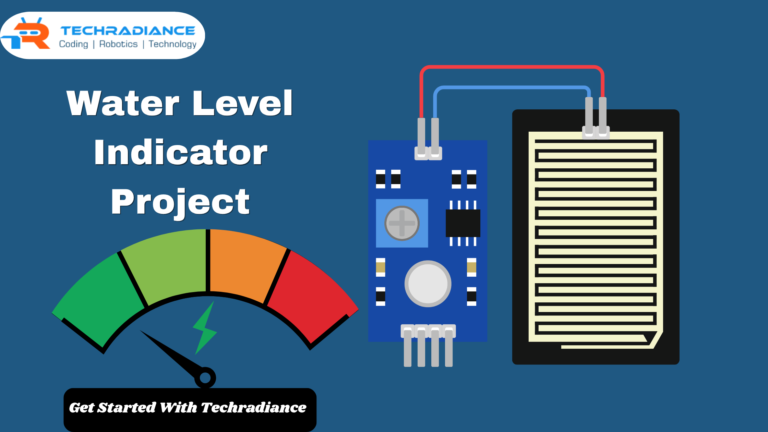
  • Water level indicator

Advanced Level

  • Smart farming system
  • Smart city model

All of these projects require easy Internet of Things testing to test how devices perform.

Why Choose Techradiance for IoT Lab Setup?

Techradiance is a reputable company in India for solutions to school technology.

Here’s why schools select Techradiance:

  • Complete IoT Lab setup
  • High-end IoT kit as well as IoT trainer kit
  • Simple IoT Lab guide for students
  • Support for teacher training
  • Price that is affordable

Techradiance ensures that your school has a modern and up-to-date lab.

How IoT Lab Helps in Student Careers

IoT is a rapidly growing field in India as well as around the world.

Students may become:

  • IoT Developer
  • Software Engineer
  • Data Analyst
  • Robotics Expert

The IoT curriculum at school can give students a solid foundation.

What Makes a Smart IoT Lab?

A smart IoT lab should have:

  • Latest devices
  • The internet connection is good.
  • Material for learning that is easy to learn
  • Safe environment
  • Proper IoT trainer kit

Students learn with no confusion.

Cost of IoT Lab Setup in India

The price is contingent on the setup level.

  • Basic Lab: Rs1.5 lakh – Rs3 lakh
  • Advanced Lab: Rs3 lakh – Rs8 lakh+

Techradiance provides flexible pricing dependent on the school’s needs.

Future of IoT in Schools

The future is exciting.

In the near future, schools will offer:

  • Smart classrooms
  • AI-based learning
  • Everywhere you go, connected devices.

IoT Labs will become a requirement in every school.

What Schools Say About Our IoT Lab Setup

“Amazing Learning Experience for Students”

“Techradiance has helped us to set up an entire IoT Lab in our school. Our students have become more engaged in technology and are enjoying the practical aspects of learning. IoT kits and trainer kits are very user-friendly. IoT kit and the trainer kits are simple to use .”>
-Principal, Delhi Public School.

⭐⭐⭐⭐ The Principal of the school, Delhi Public School

“Best Investment for Our School”

“The IoT Lab setup has totally changed the way in which learners learn. Its Internet of Things testing activities help students understand concepts in a very simple way. Highly recommend Technoradiance .”
-⭐⭐⭐⭐⭐ Head of School, Gurgaon

“Simple and Easy for Beginners”

“We were concerned about how our students would be able to comprehend IoT however, we found that the IoT Lab manual, as well as the training made everything easy. Even the most novices can grasp it quickly. .”>
-“⭐⭐⭐⭐⭐ Computer teacher, CBSE School

“Great Support and Quality Equipment”

“Techradiance supplied excellent IoT kits as well as full assistance during the set-up. Their team has trained our teachers effectively. The results are fantastic .”>
– ⭐⭐⭐⭐⭐Academic Coordinator Private School

“Students Love the IoT Lab”

“Our students love creating intelligent projects, such as the automation and sensors. The IoT Lab has made learning enjoyable and practical.”

-⭐⭐⭐⭐STEM Lab Manager

Final Thoughts: 

A Smart IoT Lab is the future of education in India.

It assists students:

  • Learn faster
  • Create real projects
  • Learn about technology
  • Get ready for your future career

If you have the best partner, such as Techradiance, the process of setting up the IoT Lab becomes easy and efficient.

Frequently Asked Questions

A IoT Lab is an area where students can learn how smart devices communicate and interact with the internet. They create simple projects, such as sensors and lights that are smart.

IoT stands for the Internet of Things. It refers to devices connected to the internet that can exchange data.

The cost for the IoT Lab setup in India generally starts from Rs 1.5 lakh and could go up to the amount of Rs 8 lakh or more, according to the quality of equipment and levels.

IoT could indeed be described as a lucrative job. Professionally trained IoT professionals can earn high wages since many businesses require experts in the field of smart technology.

Robotics in Education: Meaning, Uses & Future Scope

Robotics in Education: Meaning, Uses & Future Scope

Nowadays, schools are changing rapidly. There is no longer a single way that students learn. Today, students learn by doing real-world tasks.

The most thrilling method is Robots in Education.

What does it actually mean? What are the benefits for students? What is the reason for schools in India to include robotics labs?

Let’s look at everything in an easy and simple manner.

Author: Ashish, a Robotics Expert

TABLE OF CONTENTS
1What is Robotics in Education?
2.What is STEM in Education?
3.Why is Robotics Important for Students?
4.How Does Robotics Help Kids Learn Better?
5.Benefits of Robotics in Education
6.What is a Robotics Lab in Schools?
7.How Schools in India Are Using Robotics
8.Robotics Projects for Students
9.How to Start Robotics in Schools?
10.What Challenges Do Schools Face?
11.Future Scope of Robotics in Education
12.Why Schools Should Adopt Robotics Now
13.What Schools and Parents Say About Robotics in Education
14.Final Thoughts: 

What is Robotics in Education?

Robotics in Education involves teaching students how to construct and control robots.

It’s not only about machines. It’s about learning intelligently and enjoyably.

Students make use of:

  • Sensors
  • Motors
  • Coding

They learn to make robots move or think and then perform.

In simple terms:
Robotics in education refers to learning by making and making use of robots.

What is STEM in Education?

You might have heard of this phrase: STEM in Education.

STEM is the acronym for:

  • Science
  • Technology
  • Engineering
  • Mathematics

Robotics is an integral part of STEM.

What are their connections?
When students design robots, they employ:

  • Science to better understand how things function
  • Math is used to calculate
  • Technology for code
  • Engineering for building

Robotics makes STEM learning enjoyable and simple.

Why is Robotics Important for Students?

Many have the same question: Why should schools offer robotics classes?

The answer is straightforward.

1. It Makes Learning Fun

Students enjoy making robots. It’s like having fun and learning.

2. It Builds Thinking Skills

Students learn to tackle problems step-by-step.

3. It Prepares for the Future

Future jobs will require skills like coding and AI. Robotics helps students get ready.

4. It Builds Confidence

When they build something on their own, they are proud.

How Does Robotics Help Kids Learn Better?

Let’s look at this in a way that is simple.

Learning by Doing

Instead of only reading, students work on real projects.

Easy Understanding

The most difficult subjects become easier when students can see them live.

Better Memory

Students are more likely to remember information when they are able to practise it.

This is the reason robotics for children is gaining popularity in numerous schools.

Benefits of Robotics in Education

There are many advantages to making use of robotics in schools.

Improves Creativity

Students create their own robots, ideas, and concepts.

Builds Teamwork

Students collaborate and share ideas.

Develops Coding Skills

Students easily learn programming basics.

Encourages Innovation

Students imagine themselves as inventors.

Makes Students Future-Ready

They acquire skills that assist in obtaining real-world jobs.

What is a Robotics Lab in Schools?

Robotics lab

The Robots Lab is an area in the school where students are taught robotics.

In a robotics laboratory students may:

  • Create robots
  • Learn how to code
  • Try their ideas
  • Create projects

It’s like a play area to learn about the latest technology.

How Schools in India Are Using Robotics

Presently, STEM Education in India is growing quickly.

A lot of schools:

  • The setting up of robotics labs
  • Teaching Coding starting in the early years of school
  • Conducting competitions

Students learn new skills at an early age.

India is progressing towards smart education and robotics is an important component of that.

Robotics Projects for Students

The best way to learn is when students design something.

Here are a few simple  Robotics Projects for Students:

  • Line follower robot
  • Obstacle-avoiding robot
  • Smart car
  • Automated lighting system

These projects assist students in understanding real-world issues and solutions.

How to Start Robotics in Schools?

Schools can introduce robotics to their students gradually.

Step 1: Set Up a Robotics Lab

Begin with the basics of equipment and kits.

Step 2: Train Teachers

Teachers must be taught how to lead students.

Step 3: Use Simple Curriculum

Start with simple lessons designed for those who are new to the subject.

Step 4: Encourage Projects

Students can build and test new ideas.

Step 5: Organize Competitions

This inspires students to be better.

What Challenges Do Schools Face?

There are schools that have issues when beginning robotics.

High Cost

A robotics lab will require cash.

Lack of Knowledge

Teachers might require training.

Fear of Technology

Some schools think that robotics is difficult.

With the right assistance, the issues can be easily resolved.

Future Scope of Robotics in Education

The future of Robotics in Education is extremely promising.

More Schools Will Use Robotics

Soon, robotics will be an integral part of every school.

AI + Robotics Learning

Students will be taught artificial intelligence with robotics.

Global Opportunities

Students will compete in international competitions.

More Innovation

Students will come up with innovative ideas and start-ups

Why Schools Should Adopt Robotics Now

If schools are determined to keep up with the times, then they need to change in line with the times.

Robotics can help students:

  • Think more clearly
  • Learn faster
  • Get smarter

It’s not an additional subject. The future of education.

What Schools and Parents Say About Robotics in Education

Many ask, “Why should schools instruct robots?”
Here’s how real teachers, parents and students think of after having used the technology.

“Students Love Coming to School Now”

School Principal, Delhi

“After the introduction of a robotics lab students are more eager to attend school. They are more interested in learning because it’s fun. The use of robotics in education has transformed the way we teach.”

“My Child Started Thinking Creatively”

Parent

“My child would read books. With robotics, now for kids, he can build simple projects with his family at home. I can feel his enthusiasm expanding every day.”

“Learning by Doing Really Works”

Science Teacher

“Earlier, students were finding STEM subjects challenging. Now, thanks to STEM in the classroom through robotics, students can grasp concepts more quickly. Learning through practice really works.”

“Students Are More Confident Now”

School Coordinator

“Students don’t have any fear of experimenting with new ideas anymore. Students can benefit from robotics projects that aid them in their ability to speak, present, and communicate ideas with confidence.”

“Best Decision for Our School”

School Director

“Setting up the robotics lab was among the best choices we made. It has increased students’ engagement, their skills and overall experience.”

Final Thoughts: 

Robotics in Education has changed the way students learn.

It helps in learning:

  • Fun
  • Practical
  • Future-ready

With the help of tools such as robotics labs, STEM education in India is growing quickly.

Students aren’t only learning through books nowadays. They are creating, constructing and thinking.

Schools that are embracing robotics today are helping prepare students for the challenges of tomorrow.

Frequently Asked Question

STEM education is the process of studying science, technology, engineering and mathematics in an interactive and practical manner.

Some of the most lucrative STEM jobs are AI engineer, data scientist, robotics engineer, and software engineer. AI engineers are often among the highest-paid.

STEM education involves the study of science, technology, engineering, and mathematics in an engaging and fun way.

Line follower robot, Obstacle avoiding robot, Robotic arm, Delivery robots, Humanoid robots

STEM Activities for Kids: Fun Science Experiments and Projects

STEM Activities for Kids: Fun Science Experiments and Projects

Children are naturally curious. They will always ask questions such as Why does this occur?” or How does this function?” This curiosity is a great start to learning. STEM Activities for Kids allow children to explore engineering, science, technology, and math with engaging experiments and imaginative projects.

Instead of reading only from books, kids can learn through doing. When children create tests, play, and learn, they comprehend concepts more effectively. Simple STEM activities will help kids develop problem-solving abilities, creativity, and self-confidence.

On this page, we’ll examine how STEM actions are. We will also discuss their purpose and why they’re important, as well as some fun activities that kids can play at home or in class. The ideas are all straightforward and presented in easy words so that even a 5th-grade student is able to comprehend them quickly.

Author: Himanshu, a Robotics Expert

TABLE OF CONTENTS
1What is the Meaning of STEM Activities?
2Why STEM for Kids is Important
3Key Components of STEM Education
4Benefits of STEM Activities for Kids
5Easy STEM Activities for Kids to Try
6How Parents Can Encourage STEM Learning at Home
7How Schools Can Promote STEM Activities
8The Future of STEM for Kids
9What Parents and Teachers Say About STEM Activities for Kids
10Final Thoughts
11Frequently Asked Questions ( FAQ’S) :

What is the Meaning of STEM Activities?

Children are naturally curious. They will always ask questions such as Why does this occur?” or How does this function?” This curiosity is a great start to learning. STEM Activities for Kids allow children to explore engineering, science, technology, and maths with engaging experiments and imaginative projects.

Instead of reading only from books, kids can learn through doing. When children create tests, play, and learn, they comprehend concepts more effectively. Simple STEM activities will help kids develop problem-solving abilities, creativity, and self-confidence.

On this page, we’ll examine how STEM actions are. We will also discuss their purpose and why they’re important, as well as some fun activities that kids can play at home or in class. The ideas are all straightforward and presented in easy words so that even a 5th-grade student is able to comprehend them quickly.

Why STEM for Kids is Important

Parents and teachers often ask, “Why is STEM education for children important? What is the purpose of STEM for kids?

The answer is easy. The world is rapidly changing due to technology and science. STEM for kids assists children in preparing for a bright future by teaching essential abilities.

Key Reasons Why STEM is Important

1. Inspires curiosity. Kids begin asking questions and attempting to figure out the answers by themselves.

2. Develops Problem-Solving Skills for Children: Learn the ability to consider and experiment with ideas and resolve problems.

3. Enhances Creativity. STEM-related projects inspire children to design new things and think differently.

4. Preparing children to be ready for future careers. Many modern jobs are in the fields of science, technology, engineering, and mathematics.

5. Making Learning Fun Through Hands-on Activities: Hands-on activities are more engaging than studying from textbooks.

As a result of these benefits and advantages, schools all over the world are expanding their STEM education project ideas in their classrooms.

Key Components of STEM Education

To better understand STEM learning more deeply, let’s examine the four key components that make STEM learning unique.

1. Science

Science helps children understand the nature of the world around them.

Examples include:

  • Understanding the plant world
  • Understanding gravity
  • Exploring chemical reactions

Simple experiments such as baking soda volcanoes are excellent science-based STEM activities for kids.

2. Technology

Technology is the use of machines and tools to solve issues.

Examples include:

  • The basics of coding
  • Simple robotics
  • Understanding computers

Many of the latest STEM technology project ideas include robotics, programming games and digital tools.

3. Engineering

Engineering is the art of designing and constructing things.

Kids can take part in activities such as:

  • A bridge constructed of paper
  • The design of a tower with straws
  • Creating simple machines

These projects aid children in understanding how machines and structures function.

4. Mathematics

Math can be used to calculate, measure and solve issues.

Examples include:

  • Measuring distances
  • Material Counting
  • Understanding patterns

Mathematical skills help kids create more appealing designs in their STEM education project ideas.

Benefits of STEM Activities for Kids

Teachers and parents often observe numerous positive changes in children when they take part in  STEM Activities for Kids..

1. Better Critical Thinking

Children learn to analyse issues and come up with solutions.

2. Strong Teamwork Skills

Many STEM-related activities are conducted in groups, helping children develop teamwork skills.

3. Confidence Building

When children complete a task successfully, they feel satisfied and confident.

4. Improved Creativity

Children can experiment with different ideas and styles.

5. Practical Learning

Children are more able to grasp concepts when they can see them in the real world.

These advantages provide STEM for kids as an essential part of the modern curriculum.

Easy STEM Activities for Kids to Try

Let’s look at some easy and thrilling  STEM Activities for Kids which can be performed at home or at school.

1. Volcano Science Experiment

This is among the most loved STEM-based activities for kids.

Materials Needed

  • Baking soda
  • Vinegar
  • Color of food
  • A small bottle

How It Works

  1. Add baking soda to the bottle.
  2. Include food colouring.
  3. Pour the vinegar in the bottle.

The mixture triggers the chemical reaction which causes the volcano to erupt with foam.

What Kids Learn

Children learn about the chemical reaction by engaging in this STEM education project idea

2. Paper Bridge Engineering Challenge

This activity helps children understand engineering.

Materials Needed

  • Paper sheets
  • Books
  • Small or tiny objects, coins

Activity

Kids need to design their own bridge made of paper that will hold the largest amount of coins.

Learning Outcome

Children learn about:

  • Structure design
  • Balance
  • Engineering thinking

This is a fantastic illustration of STEM technology projects that are paired with engineering skills.

3. Balloon Rocket Experiment

This enjoyable activity helps kids understand the concept of energy and motion.

Materials Needed

  • Balloon
  • String
  • Straw
  • Tape

How It Works

  1. The string should be passed across the straw.
  2. Attach the balloon on the straw.
  3. Inflate the balloon, then release it.

The balloon speeds up its movement across the string, much as if it were the speed of a rocket.

What Kids Learn

Kids are able to comprehend the concepts of motion and pressure as fundamental science concepts that are taught in STEM activities for kids.

4. Growing Plants Experiment

This simple activity helps children learn about nature and plants.

Materials Needed

  • Seeds
  • Soil
  • Small pots
  • Water

Activity

Children plant seeds and observe the way plants develop every day.

Learning Outcome

Children learn:

  • Plant growth
  • The importance of water and sunlight
  • Observation skills

This is among the most simple stem education projects ideas for children.

5. DIY Simple Robot

The most thrilling STEM Technology Project is to build a basic robot.

Materials Needed

  • Small motor
  • Battery
  • Toothbrush head
  • Wires

Activity

Children connect the battery and motor to make the small, moving robot.

What Kids Learn

Children learn about:

  • Basic electronic
  • Motion and vibration
  • Technology concepts

This project makes the stems for children even more thrilling.

How Parents Can Encourage STEM Learning at Home

Parents play a crucial role in helping to support STEM Activities for Kids.

1. Ask Questions

Instruct children in asking “why” in addition to “how” questions.

2. Provide Simple Materials

Make use of everyday objects like balloons, paper bottles, and cardboard.

3. Encourage Experimenting

Kids should be able to experiment with strategies and gain knowledge from their mistakes.

4. Watch Educational Videos

A variety of videos explain the stem activities meaning  through simple experimentation.

5. Support Creativity

Let children develop their own stem education project ideas.

If parents let their children explore, they will become more engaged in science and technology.

STEM Education Project Ideas​

How Schools Can Promote STEM Activities

Schools play a significant part in making STEM activities more popular with students.

Schools can encourage STEM through:

  • Creating STEM labs
  • Organising science fairs
  • Conducting robotics competitions
  • The introduction of the concept of project-based learning
  • Encourage teamwork in initiatives

These programmes help students explore STEM technology project ideas and help them develop vital life skills.

The Future of STEM for Kids

The future is a student’s dream for those who are knowledgeable about technology, science and the latest innovations.

A variety of industries today rely on STEM expertise, which includes:

  • Robotics
  • Artificial Intelligence
  • Space research
  • Medical technology
  • Science and technology for the environment

As children begin exploring STEM Activities for Kids in the early years, they gain confidence and are well-prepared for the future.

Learning through engaging STEM activities can help students build curiosity, imagination, and strong problem-solving capabilities.

What Parents and Teachers Say About STEM Activities for Kids

Parent Testimonial

Ritika Sharma, Parent

“My son was always fascinated by science. But after having a go at these STEM Activities for kids, his interest in science has risen more. These experiments are simple, enjoyable, entertaining, and simple to carry out at home. He is now interested in learning about the science and technology of his day.”

Teacher Testimonial

Ankit Verma, Science Teacher

“These STEM activities are an excellent way to keep learning interesting for children. When children create projects and conduct experiments, they learn concepts quicker. My students have observed me increase their confidence and become more curious.”

Parent Feedback

Neha Gupta, Mother of a 10-Year-Old

“The STEM education project ideas provided here are beneficial. My daughter has tried the balloon rocket and was thrilled to see how it performed. It’s a fantastic method to teach kids science while having fun.”

School Educator Review

Rahul Mehta, School Coordinator

“Hands-on learning” is the most effective method of teaching students today. These STEM Activities for Kids allow children to explore the world of engineering, science and technology through fun experiments. Children love learning when they construct and test their own inventions.”

Parent Experience

Pooja Singh, Parent

“I was looking for simple STEM technology projects for my child, and these projects were ideal. The directions are simple to follow, and children develop important skills while having fun.”

Final Thoughts: 

STEM education isn’t limited to mathematics or science. It’s about investigating ideas, solving problems and inventing new ideas.

By engaging in STEM Activities for kids, children can master complex concepts in a fun and easy way. If it’s constructing the bridge, taking off balloon rockets or preparing plants for growth, every activity helps children comprehend the world around them.

Teachers and parents should encourage children to look at STEM Education project ideas frequently. These projects can help children develop confidence, imagination and critical thinking skills.

When children start to learn by using STEM for kids applications and practical activities, and hands-on experiments, they are curious learners who are eager to discover the future of science and technology.

Frequently Asked Questions ( FAQ’S) :

STEM-related activities are enjoyable experiments and projects designed to help kids master science engineering, technology and mathematics by active learning.

STEM activities aid children in developing their problem-solving abilities creative thinking, teamwork, and critical thinking, while also making learning more enjoyable and practical.

Easy STEM projects can include volcanoes, balloon rockets, construction of bridges out of paper, and plant growth experiments, as well as simple robotics projects.

STEM activities let kids discover ideas, try out solutions, and grasp concepts with practical exercises instead of just studying theory.

Top STEM Innovation Challenge Ideas for School Students

Top STEM Innovation Challenge Ideas for School Students

Today, schools are changing the way that students learn. Instead of only studying books, students are engaging in activities that involve creating models and solving real-world issues. One of the best ways to accomplish this is by participating in the STEM Innovation Challenge.

The STEM Innovation Challenge encourages students to utilise technology, science, engineering, and math to come up with innovative ideas and solutions. The activities encourage students to develop their thinking, collaborate in teams, and develop crucial skills that will be useful in the future.

In this blog, we’ll discuss what a STEM innovation challenge is, and why it’s important for students, and also share some exciting STEM projects competition ideas that schools could use.

What is a STEM Innovation Challenge?

A STEM Innovative Challenge is a fun and creative challenge that allows students to use STEM disciplines to solve issues or develop innovations.

STEM is the acronym for:

  • S – Science
  • T – Technology
  • E – Engineering
  • M – Mathematics

In a STEM competition for students, youngsters can design a robot, build a bridge model, create a science experiment or design a simple technological project.

The primary purpose of the STEM-related learning problem is to teach students how to become problem-solvers and inventors. Instead of memorising the answers, students think about ideas and experiment with solutions as well as learn from mistakes.

These challenges are typically held, as they are usually a science and technology competition for high school students. Teams showcase their ideas, and judges assess their inventiveness, utility, and creativity.

Simply put, the challenge of a STEM innovation challenge can make learning enjoyable, practical, and thrilling.

How to Organise a STEM Challenge in School

Planning a School STEM competition is much easier than most schools believe. If you plan it well, teachers can put together an engaging learning opportunity for their students.

Here are some simple steps that schools can follow.

1. Choose a Theme

Before you start, choose the topic for the contest. Examples:

  • Smart cities
  • Environmental protection
  • Renewable energy
  • Robotics
  • Space technology

A clearly defined theme can help students to focus their thoughts.

2. Create Simple Rules

Schools must explain:

  • Who can take part?
  • Size of the team
  • Guidelines for the project
  • Time limit
  • The criteria for judging

This is what makes it possible to have the STEM competition fair for learning more, run by the STEM learning challenge fair.

3. Encourage Teamwork

Students should be working in small groups. Collaboration helps children share ideas and collaborate.

4. Arrange Mentors

Mentors or teachers can help students through the process of preparing for the project.

5. Host the Final Event

Then, organise an evening of presentations during which students display their work. The judges can choose the most impressive ideas and award students.

A properly planned STEM innovation contest for kids can turn into one of the top thrilling activities at school.

Why STEM Competitions Are Important for Students

STEM competitions play a crucial part in the development of students. They assist children in learning essential life skills in an engaging and enjoyable manner.

Here are some of the reasons why STEM competition for school students is beneficial.

Encourages Creative Thinking

Students learn to think differently and come up with innovative solutions to problems.

Builds Problem-Solving Skills

A STEM challenge for kids will teach them to think about the problems and solve them step-by-step.

Improves Teamwork

When students collaborate, they are taught communication, collaboration, leadership, and cooperation.

Makes Learning Fun

Activities that are hands-on make science and technology more exciting as opposed to traditional classroom education.

Prepares Students for the Future

A lot of careers in the future will require research and development in science or technology. A STEM innovation challenge can help students to prepare for these careers.

As a result of these advantages, because of these benefits, many schools across the world are now organising regular School STEM competitions..

How Students Participate in STEM Innovation Challenge

Participating in a STEM innovation challenge is fun and easy for kids.

Here’s how the process is typically carried out.

Step 1: Registration

Students sign up individually or as teams for competitions such as the STEM competition for school students.

Step 2: Select a Project Idea

Teams pick an idea in accordance with the theme of the challenge.

For instance:

  • A robot that is able to clean garbage
  • A smart irrigation system
  • A solar-powered device.

Step 3: Build the Project

Students create and construct their models using basic materials, electronic components, software, or even electronics.

Step 4: Test and Improve

Teams review their work and then make changes.

Step 5: Present the Project

In the finale, the students present their projects to the judges and present their thoughts.

This method allows children to get a taste of a real STEM project competition in a setting.

Benefits of STEM Innovation Programs in Schools

STEM innovation contest for kids

Many schools are adding STEM programmes, as they offer many advantages.

A STEM innovation contest for kids can help students develop in a variety of ways.

Better Understanding of Science

Students are able to grasp science concepts more when they can apply them to real-world tasks.

Improves Confidence

If students are able to present their thoughts, they develop more confidence in their speaking.

Encourages Curiosity

STEM-related activities stimulate students’ curiosity about the way things are made.

Develops Future Skills

Skills such as engineering thinking, as well as digital creativity, are crucial in today’s workplace.

Promotes Innovation

Students are thinking of new technologies that will help solve real-world issues.

Due to these benefits, STEM education is becoming an essential element of modern-day schooling.

How to Prepare for a STEM Competition

Preparation is a key factor when it comes to completing a STEM learning challenge.

Students can learn these easy steps.

Understand the Problem

First, you must understand the problem in detail. Ask questions and study the rules.

Research the Topic

Students must be aware of the issue and look into similar solutions.

Plan the Project

Before you begin building anything, draw the basics of a plan or drawing.

Test the Idea

Testing helps to identify problems earlier and helps improve the final outcome.

Practice Presentation

Students must practise explaining their work in a clear and confident manner.

Good preparation can increase the likelihood of achieving success in any STEM challenge for students.

STEM Innovation Challenge Ideas for Students

If you’re planning for a school STEM competition, selecting the best concepts for your project is essential.

Here are some innovative STEM-related project ideas for competitions that kids will love.

1. Smart Traffic Light System

Students can design a clever traffic signal to control traffic in a way that is automated.

2. Solar-Powered Fan

Create a fan to run by using solar energy.

This project is designed to teach the concepts of renewable energy.

3. Water Conservation Device

Students can create systems that conserve water at farms or in homes.

4. Garbage Sorting Machine

Create a model that can separate metal, plastic and paper on a regular basis.

5. Simple Home Automation System

Students can design a model in which appliances or lights are controlled by a computer.

6. Mini Wind Power Generator

This project illustrates how wind energy could generate electricity.

7. Smart Plant Watering System

Students can design devices that will water plants once the soil is dry.

8. Earthquake Alert Model

Create a device that senses the presence of vibrations and alerts users.

9. Eco-Friendly City Model

Students can make a design of an eco-friendly and smart city.

10. Robot for Daily Tasks

Students can design a basic robot that does simple tasks.

These ideas help make the STEM innovation contest for kids engaging and informative.

What Schools and Students Say About the STEM Innovation Challenge

Green Valley Public School

“Our students were thrilled to participate in this STEM Innovation Challenge. It encouraged them to think critically and create incredible projects. We witnessed incredible teamwork and confidence among students. “

Sunrise International School

“The STEM challenge for students was an amazing learning experience. Students were thrilled to construct their own models and to explain their concepts. This made learning about science enjoyable. “

Bright Future Academy

“Participating in this STEM competition for school children enhanced their problem-solving abilities in our classrooms. Students were taught how to turn basic ideas into practical innovations. “

Little Scholars School

“The STEM learning challenge encouraged our students to investigate the world of science and technology in a different way. A lot of students rediscovered their interest in engineering and robotics. “

Delhi Public School

“The STEM innovation contest for children was among the most enjoyable activities we ran this year. Students were enthusiastic and confident to present their ideas. “

Springdale School

“This high school STEM competition allowed our students to develop their creativity as well as teamwork and communication skills. It was a fantastic platform for the next generation of entrepreneurs. “

Final Thoughts: 

The STEM Innovation Challenge is among the most effective methods to make learning more exciting for children. It enables children to explore science, technology, mathematics, and engineering through interactive activities.

Through STEM challenges for students, schools can foster teamwork, creativity, and ingenuity. The competitions aid students in developing skills for problem-solving in preparation for their future jobs.

The organisation of a STEM competition at school also helps create a positive learning atmosphere that encourages students to explore and develop new ideas.

With the proper direction, fun STEM projects and encouraging teachers, every student is able to participate in a STEM learning project and uncover their potential.

STEM innovation programmes aren’t only competitions – they offer students the chance to be engineers, inventors and problem-solvers for the future.

Frequently Asked Question

STEM innovation involves the creation of new solutions or ideas using science, technology, engineering, and mathematics. It aids students in solving problems and developing useful projects.

Some famous STEM innovators include Albert Einstein, Marie Curie, Nikola Tesla, Steve Jobs, and Elon Musk.

STEM is a reference to science, technology, engineering, and mathematics.

STEM isn’t better or worse than the regular school system. It just adds real-world learning, such as experiments or projects and also ingenuity activities that enrich learning.

STEM is not any better or worse than the regular school system. It’s just a matter of adding the practical aspects of learning, such as experiments or projects, and engaging activities that increase the enjoyment of learning.

The most significant innovation challenges are insufficient resources, a lack of understanding, a lack of time to test ideas, and fear of failing.

Why Python for AI & Robotics Is So Popular Today

Why Python for AI & Robotics Is So Popular Today

Python for AI is well-known due to the fact that it’s simple, powerful, yet easy to master. It aids developers in building artificial intelligence systems (AI), machine-learning robots and models in a short time. Python includes a variety of useful libraries, such as TensorFlow, PyTorch, and OpenCV, that help make AI as well as robotics creation speedier and simpler.

In this article, we will go over the reasons why Python is used in AI, how Python is used in robotics, how Python is utilised in robotics and also why a lot of experts think it’s the most efficient programming language for automation and AI creation.

Author: Himanshu, a Content Writer

TABLE OF CONTENTS
1.What is Python?
2.Why Python is Used in AI
3.How Python is Used in Robotics
4.Is Python Good for Robotics?
5.Benefits of Using Python for AI and Robotics
6.Python Robotics Projects for Beginners
7.Python for Machine Learning and Robotics
8.Best Programming Language for Robotics
9.Future of Python in AI and Robotics
10.What Students and Educators Say About Learning Python for AI and Robotics
11.Final Thoughts: 
12.Frequently Asked Questions

What is Python?

Python is an advanced programming language that is simple to write, read, and comprehend. It was developed by Guido van Rossum and was first released in the year 1991.

The primary purpose of Python is to help make the process of programming easy for anyone. With its easy and easy-to-read syntax, even beginners can master it in a short time.

Python is utilised in a variety of fields, like:

  • Artificial Intelligence
  • Robotics
  • Machine Learning
  • Data Science
  • Web Development
  • Automation
  • Game Development

Presently, Python is one of the most frequently used AI programming languages around the globe.

Why Python is Used in AI

Many developers have asked, “Why is Python used in AI instead of other programming languages?”

The answer is straightforward. Python provides powerful tools that help build AI systems faster and easier.

Here are a few reasons as to why Python is a popular choice for artificial intelligence.

1. Simple and Easy to Learn

Python has a simple syntax. It is similar to regular English sentences.

For instance:

print(“Hello World”)

Due to this ease of use, Python is so simple that students and beginners can begin to learn Python programming for AI without being overwhelmed.

This is among the major reasons Python is extensively used for AI training and for research.

2. Powerful AI Libraries

Python comes with a variety of libraries that allow developers to build AI systems in a short time.

Some popular libraries include:

  • TensorFlow is used to perform deep learning and machine learning
  • PyTorch is used in AI research
  • Scikit-learn used for machine learning models
  • Keras – is a method used to build neural networks
  • OpenCV used to aid in computer vision

These tools help make Python for machine learning and robotics extremely effective.

Instead of starting from scratch, designers can utilise these libraries to speed up the process.

3. Large Developer Community

One motive for Python for AI that is well-known is the huge community it has created.

Millions of developers utilise Python across the globe. This signifies:

  • There are many tutorials available.
  • Problems are quickly solved
  • New tools are continually developed

If a person encounters issues when creating or implementing an AI initiative, they are able to quickly seek help on the internet.

4. Fast Development Process

Python allows developers to build as well as test AI models rapidly.

Contrary to some programming languages which need long codes, Python allows developers to write simple and clear programmes.

This allows us to explore new ideas and to improve AI systems more quickly.

How Python is Used in Robotics

Let’s now look at how Python is used in robotics.

Robotics is the area where robots are built to do tasks on their own. Robots utilize cameras, sensors, motors and software to communicate with the physical world.

Python is a key component in programming and controlling these robots.

1. Robot Control

Python is a programming language that can manage the movements of robots.

For instance, a robot can be programmed:

  • Go forward
  • Get rid of objects
  • Beware of obstructions
  • Take a route

Python programs transmit orders to the robot’s motors as well as sensors to execute these actions.

2. Computer Vision

A lot of robots make use of cameras to view their surroundings.

With the aid by With the help of Python, it can process videos and images. Robots can:

  • Detect objects
  • Recognize faces
  • Identify colours.
  • Track movements

Computer vision is a crucial aspect of robotics in the present.

3. Machine Learning for Robots

Robots are also able to learn from data through machine learning.

By using  Python for machine learning and robotics, robots are able to improve their performance over time.

For instance, a robot could learn:

  • How can you improve your walking
  • How do you identify objects
  • How can you avoid obstacles

This makes robots more intelligent and more efficient.

Is Python Good for Robotics?

It’s true, Python is good for robotics, particularly for novices and researchers.

A variety of robotics platforms are compatible with Python since it’s a flexible platform and simple to use.

A few popular robotics platforms using Python include:

  • ROS (Robot Operating System)
  • Raspberry Pi robots
  • Arduino using Python
  • Drone programming systems

Python lets developers build and test robotics-related applications quickly.

However, in certain instances where speedy performance requirements are required, these languages, such as C++, could be employed alongside Python.

Benefits of Using Python for AI and Robotics

Utilising Python for AI as well as robotics provides numerous advantages.

Easy for Beginners

Beginners and students can easily grasp Python, as the syntax itself is easy to understand.

This is why it is ideal to learn AI programming language concepts.

Faster Development

Python lets developers create AI model systems and robots more quickly than many other languages.

This allows researchers and companies to create innovative solutions quickly.

Strong AI Ecosystem

Python offers a comprehensive set of tools to:

  • Machine learning
  • Deep learning
  • Computer vision
  • Analysis of data

This makes it perfect as a tool for  Python programming for AI development.

Integration with Other Technologies

Python is compatible with many other technologies, like:

  • IoT devices
  • Sensors for robotics
  • Cloud platforms
  • Systems for processing data

This flexibility is what makes Python extremely valuable in modern robotics systems.

Python Robotics Projects for Beginners

One of the best ways to master Python for robotics is to create small-scale projects.

Here are a few easy-to-learn  Python robotics projects.

Line Following Robot

The robot tracks a black line on the ground by using sensors.

Python uses Python to regulate the robot’s movements based on the sensor information.

Obstacle Avoiding Robot

The robot is able to detect obstacles with ultrasonic sensors. It then alters its direction.

It’s a great beginning task to get a better understanding of robot navigation.

Face Detection Robot

By using Python and OpenCV A robot is able to recognise human faces using cameras.

This project will teach computer vision basics.

Voice Controlled Robot

This project focuses on how a robotic arm follows the voice of its user with the help of speech recognition libraries written in Python.

Python for Machine Learning and Robotics

 Python for machine learning and robotics

Machine learning is among the most vital aspects of modern robotics.

By using Python for machine learning and robotics, robots can be taught patterns from data and take intelligent choices.

For Example:

A delivery robot can learn the best route to reach a desired location.

A manufacturing robot is able to detect products that are defective.

Self-driving cars recognize traffic signals as well as pedestrians.

Python makes it easy to design these systems.

Best Programming Language for Robotics

Many developers are wondering: what is the best programming language for robotics?

There are a variety of languages used based on the specific project, but Python is usually considered to be to be one of the most effective alternatives.

Here’s the reason why Python is different:

  • Easy to master
  • Many robotics libraries
  • Machine learning and AI with strong help
  • Huge developer community

Due to these benefits, Python is widely used in robotics education, research labs and AI startups.

Future of Python in AI and Robotics

The future of Python for AI and robotics appears very bright.

As technology advances, Python will play a significant role in the development of:

  • Smart robots
  • Self-driving cars
  • Intelligent assistants
  • Healthcare robots
  • Smart manufacturing systems for smart manufacturing

Many companies and universities are providing instruction in Python as the primary AI programming language.

This implies that Python is set to continue influencing the future of intelligent machines.

What Students and Educators Say About Learning Python for AI and Robotics

A lot of teachers, students and robotics enthusiasts have begun using Python for AI and robotics projects because it’s simple and effective. Here are a few real-life experiences shared by students as well as educators.

Student Testimonial – Aarav Sharma (Class 9 Student)

“Before getting into Python, I believed that robots were a bit difficult. However, Python made it simple to comprehend the way robots work. I created the very first robotic obstacle avoider with Python as well as sensors. It was an incredible experience and I’m keen to know the basics of AI.”

Teacher Testimonial – Priya Mehta (STEM Educator)

“Python is among the top programming languages used to teach robots as well as artificial intelligence at schools. The syntax is simple, and students can begin developing real projects. It assists them in understanding programming and problem-solving. “

Robotics Trainer Testimonial – Rahul Verma

“When students begin learning Python to build AI or robotics, they will become more comfortable in programming. Python libraries such as OpenCV and TensorFlow permit them to construct intelligent systems faster as other programming languages. “

Parent Testimonial – Neha Kapoor

“My son began studying Python robotics in the high school. I was amazed by the speed with which he mastered the basics of programming. Python makes learning technology simple and enjoyable for kids. “

Engineering Student Testimonial – Aditya Singh

“During my robotics course at college, we made use of Python to learn machine learning and robotics-related applications. Python helped us develop an AI model quickly and then integrate it into the robotic system we had developed.”

Robotics Lab Instructor – Aman Gupta

“In the robotics laboratory, Python can be used in conjunction with other platforms such as Raspberry Pi and ROS. It is easy for students to program robot movements, camera images as well as AI features with Python. “

Final Thoughts: 

Python is now among the top programming languages of the present. Its ease of use, robust libraries and a vast community make it an ideal choice for both students and developers.

If someone is looking to build intelligent machines to develop AI models or build robots,  Python for AI and robotics offers the tools to begin.

Because it is simple to master and extremely efficient, Python is helping thousands of developers build the next generation of intelligent robots.

As robotics and artificial intelligence continue to expand, Python will remain one of the most used programming languages to build advanced and creative technology.

Frequently Asked Questions

It is true that Python could be utilised to aid in AI development. It is among the most used programming languages used to build artificial intelligence systems. Developers make use of Python libraries such as TensorFlow, PyTorch, and Scikit-learn to build chatbots and models of machine learning, as well as smart applications.

Python is well-known for AI development due to its simplicity to master, adaptability and inclusion of a variety of powerful libraries. These tools assist developers in creating and validating AI algorithms quickly. This helps save time and makes AI creation more effective.

Python is ideal for beginners in robotics due to its simplicity. It enables developers to build robotics projects quickly. But C++ is frequently preferred for advanced robots that need rapid speed and performance.

It is true that Python is a programming language that can help create AI robots. Developers employ Python to integrate robotics, artificial intelligence, machine learning, and computer vision. This helps robots recognise objects, analyse data, and carry out intelligent tasks on their own.

Basic Python programming can be mastered in just only a couple of weeks. But learning Python to use in AI and robotics generally requires several months of training. Small projects are a great way to help students grasp AI robots and concepts more quickly.

Top 7 Robot Programming Languages Used in 2026

Top 7 Robot Programming Languages Used in 2026

Technology is rapidly growing. In 2026, robots will not just be used in large factories. They also serve in hospitals, schools, homes, and even on space missions. Have you ever wondered how robots know what to do?

The answer is easy. Robots can understand computer commands written in the Robot Programming Language.

If you’re looking to learn robotics and programming, your first task is to learn the languages used in controlling robotics. In this Techradiance blog, we discuss the top 7 robot programming languages expected to be used in 2026, using basic terminology.

Author: Ashish, a Robotics Expert

TABLE OF CONTENTS
1What Is a Robot Programming Language?
2Why Is Robotics Programming Language Important?
3How to Code a Robot?
4 How to program a robot step by step?
5Top 7 Robot Programming Languages Used in 2026
61. Python – The Most Popular Robot Programming Language
72. C++ – Powerful and Fast Robot Language
83. C – The Foundation of Robotics Programming
94. Java – Flexible Robot Programming Language
105. ROS (Robot Operating System)
116. MATLAB – Used in Research and Education
127. Scratch – Best Robot Language for Kids
13What Is the Best Robot Programming Language in 2026?
14Benefits of Learning Robot Programming Language
15How Techradiance Helps You Learn Robotics and Programming
16Testimonials
16Final Thoughts

What Is a Robot Programming Language?

The Robotic Programming Language is a computer language used to communicate instructions to robots.

Imagine it this way: if you would like your robot to move forward, grab an object, or stay away from the wall, you need to explain it step-by-step. The language you employ to describe these actions is referred to as the robot language.

According to experts in robotics, programmers are the mind of a robot. In the absence of programming, a robot becomes simply a machine without intelligence.

Why Is Robotics Programming Language Important?

1. It Helps Robots Think

Programming robots allows them to make decisions.

2. It Controls Movement

Robots employ codes for controlling their wheels, arms, or sensors.

3. It Makes Automation Possible

Factory factories use robotics programming language to make electronic devices and cars more quickly.

4. It Builds Future Careers

The process of learning the basics of Robotics and Programming creates jobs in AI as well as gaming, space science, and even automation.

How to Code a Robot?

how to code a robot​

Many students want to know:

How to code a robot?

  1. Pick one of the robot boards (like Arduino or Raspberry Pi).
  2. Choose a robotic programming language.
  3. Write down instructions.
  4. The robot can download the codes.
  5. Improve and test.

 How to program a robot step by step?

You:

  • Write commands that look like “move forward.”
  • Add sensor instructions like “if obstacle, stop.”
  • Test the robot
  • Fix errors

Programming is similar to teaching a toddler step-by-step.

Top 7 Robot Programming Languages Used in 2026

Let’s take a look at the most well-known Robotics Programming Languages that will be used in 2026.

1. Python – The Most Popular Robot Programming Language

Python is among the most popular Robot Programming Language in 2026.

Why Python?

  • Easy to master
  • Simple syntax
  • Utilised in AI and machine learning.
  • Works with ROS (Robot Operating System)

Benefits:

Easy-to-learn
Community support is extensive.
In intelligent robots

Evidence:

The majority of AI robots of today utilise Python because it works in conjunction with artificial intelligence tools.

If you’re just beginning programming and robotics, Python is the best option.

2. C++ – Powerful and Fast Robot Language

C++ is another important Robotics Programming Language.

Why Use C++?

  • Very quick
  • Industrial robots are used in the production of
  • It is perfect. It is compatible with ROS

Benefits:

High-performance
Real-time robotic control
used in self-driving vehicles

C++ is great for advanced robot systems in which speed is important.

3. C – The Foundation of Robotics Programming

C is among the oldest programming languages that are used in robotics.

A lot of Arduino robots are programmed using C.

Why Is C Important?

  • Directly controls hardware
  • Utilized in embedded systems
  • Ideal for those who are just beginning to learn about microcontrollers.

If you are looking to understand how to code a robot with Arduino, C is very crucial.

4. Java – Flexible Robot Programming Language

Java is also utilised in robotics and automation systems.

Why Java?

  • Platform independent
  • Great for robots based on Android.
  • Management of memory with strong strength

Benefits:

Reliable
Secure and Reliable
Excellent for mobile robots

Java is often used to make robots connect to cloud systems.

5. ROS (Robot Operating System)

ROS isn’t a language; however, it plays a significant role in robots as well as programming.

It is compatible with Python and C++.

Why ROS?

  • In labs for research
  • It supports sensors and AI tools.
  • Global community with a large size

Evidence:

A lot of robotics research projects at universities use ROS to create sophisticated robots.

6. MATLAB – Used in Research and Education

MATLAB is utilised in robotics labs and at universities.

Why MATLAB?

  • Simple data analysis
  • It is used for simulation.
  • It is helpful for learning about robotics basics.

It aids students in understanding the movement of robots before they build the real robot.

7. Scratch – Best Robot Language for Kids

Scratch is a great game for beginners and students in school.

Why Scratch?

  • Drag and drop code
  • Visual blocks
  • Easy to comprehend

If you’re thinking about how to program a robot at a beginning level, Scratch is a fantastic start.

What Is the Best Robot Programming Language in 2026?

Python is the top robot programming language of 2026 due to its ease of use to learn, efficiency and wide use in AI robots.

But the Real Answer Depends On:

  • Your skill level
  • Your robot can type
  • Your project’s goal

For those who are just beginning with Python or Scratch
For advanced learners – C++ or ROS

Benefits of Learning Robot Programming Language

Learning a Robotics Programming Language offers numerous benefits:

1. Improves Logical Thinking

Programming helps students solve problems.

2. High Career Demand

Robotics engineers will be highly sought-after in 2026.

3. Helps in AI Learning

Programming and robotics go hand in hand in conjunction with artificial intelligence.

4. Builds Creativity

You can build your own intelligent robot.

5. Future-Proof Skill

Robotics is among the industries that is growing the fastest around the globe.

How Techradiance Helps You Learn Robotics and Programming

At Techradiance, we provide:

  • AI and Robotics classes
  • Hands-on robot construction
  • Coding classes for novices
  • Practical projects
  • Industry-based training

We train students how to code a robot in fun and simple ways. We aim to make robotics accessible to all.

If you’re a school pupil or are just beginning to learn We will guide you step-by-step.

Testimonials

1. Aarav (Class 8 Student)

“Before joining Techradiance, I didn’t know how to program an automated robot. Now, I can build my own robot!”

2. Priya (Parent)

“Techradiance has made programming and robotics simple for my child. The way of teaching is simple and effective.”

3. Rohan (College Student)

“I have learned Python along with ROS in Techradiance. Today, I’m confident about creating AI-powered robots.”

Final Thoughts

They are the new technology of tomorrow. By 2026, learning the Robot Programming Language will not be only for engineers. Students from elementary schools can begin learning about robotics and programming.

Whichever you pick, Python, C++, or Scratch, the most important thing is to begin.

If you’re looking for expert guidance, Techradiance is here to guide you step-by-step.

The future is in the hands of those who can comprehend robots. It all starts by understanding how to program the robot.

Frequently Asked Questions

The most popular robot programming language by 2026 will be Python. Robots can also utilize C, C++ and Java according to the specific project. Python is a popular choice because it’s easy to master and can be used when used in conjunction with AI as well as robotics.

C, as well as C++, can indeed be extensively used to control robotics. C is a great tool to control hardware such as motors and sensors. C++ is used in advanced robotics systems since it is extremely fast and efficient. Many industrial robots, as well as ROS systems, utilise C++.

The majority of AI programmes are developed using Python. It is the most used AI language because it is a powerful language with AI libraries such as TensorFlow and PyTorch. Python is easy, versatile, and ideal for programming robotics.

Python can be described as the ideal robot programming language for novices. It is easy to learn, easy to type, and is widely employed in robotics as well as AI. Beginning students can also begin by using Scratch before moving onto Python.